 Call: (347) 604-5031


- Scranton Based
Handyman services and renovations in Scranton, Pennsylvania. Call or text (347) 604-5031.
- 20 Years of Experience
Interior repairs done right. Licensed & Insured, HIC #PA240265. Free estimates.
 Scranton Based
 20 Years of Experience
Drywall & Plaster Repair
Census figures show that 62.3% of Scranton's homes were built before 1950. In those years, walls were mostly plaster on lath, before drywall took over. That is why a wall repair here so often means plaster, drywall or both in the same room.
Drywall and Plaster Repair in Scranton, PA
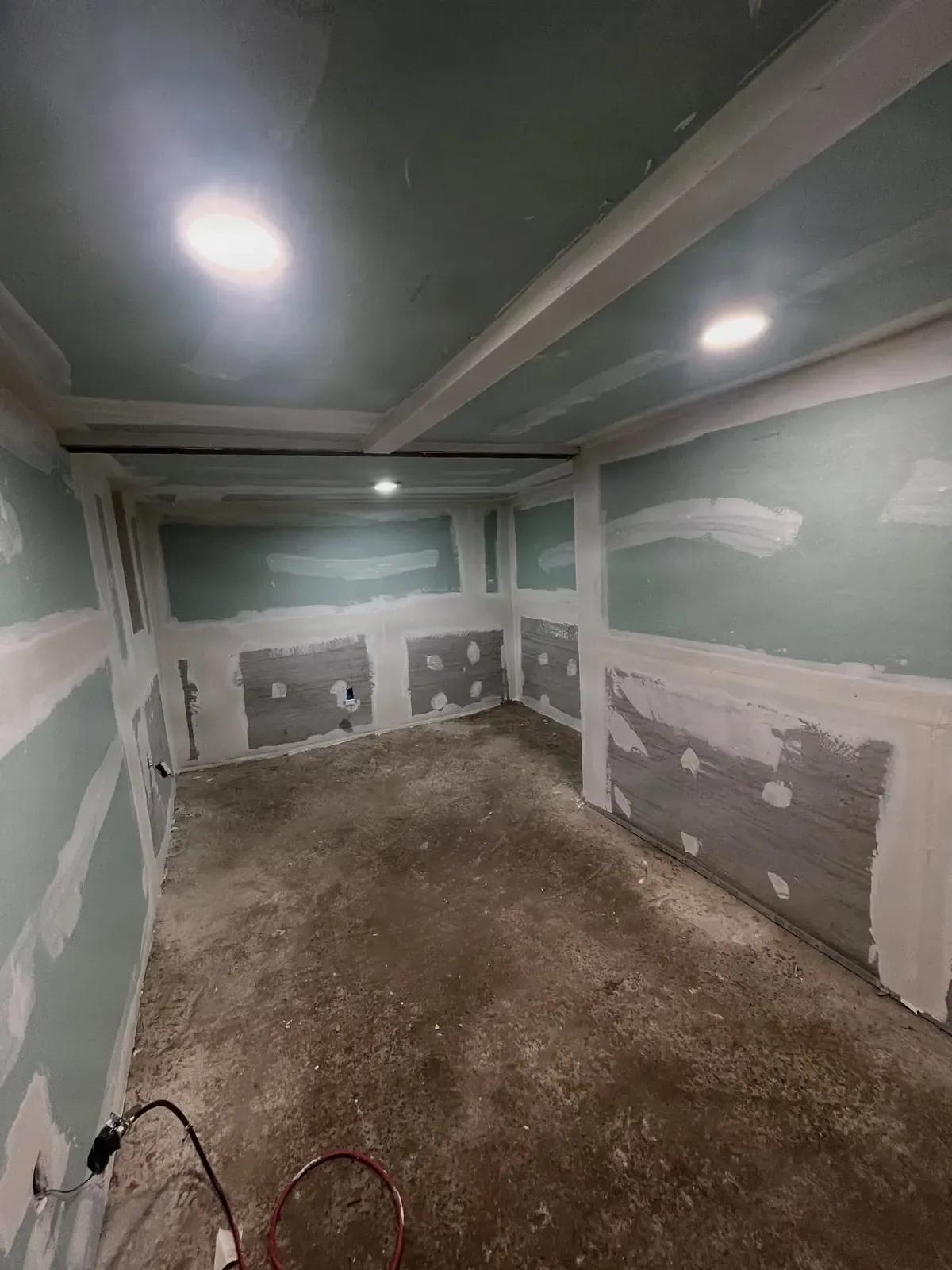
We repair plaster and drywall walls and ceilings in Scranton and the towns around it, out to Carbondale. A job can be a single patch: a crack over a door, a hole from a doorknob, a ceiling marked by an old leak. Or it can be bigger, like a section of wall taken down and rebuilt in new drywall.
The work makes dust, so we cover the floor and the furniture near it. You only need to take frames and small things off the wall.
Plaster and Lath vs Drywall
A plaster wall was built in layers. Thin strips of wood called lath were nailed across the studs, and a rough coat of plaster was pushed through the gaps so it hooked behind them. Smoother coats went on top, for a wall that is hard and thick.
Drywall is a sheet of gypsum faced with paper, screwed to the studs, with the seams covered in tape and joint compound. It goes up with less work and patches easily, but it dents more easily than plaster.
That difference decides the repair. Plaster cracks and comes loose from its lath, while drywall cracks at its seams and its tape can peel.
Not sure which you have? Knock on the wall. Plaster sounds solid and hard, while drywall sounds hollow between the studs, and a push pin goes into it easily.
Cracks, Holes and Loose Plaster
The usual repairs in older Scranton homes:
- Cracks: a crack is opened up, covered with mesh tape and filled in thin coats, so it is less likely to show through the paint again.
- Holes: a hole from a doorknob or an old fixture gets a backed patch, then thin coats of compound feathered out past its edges.
- Loose or bulging plaster: when the plaster lets go of its lath, a sound piece can be screwed back with plaster washers. A crumbling piece is cut out and filled.
- Patches that match: a drywall patch in a plaster wall sits thinner than the plaster around it, so it gets built up and skimmed until the wall reads as one.
A patch is only done when paint hides it. We prime the patch, and our interior painting can take the wall or the whole room from there.
Peeling Tape and Stained Ceilings
Drywall tape peels for two main reasons. Moisture, from a bathroom with no fan or a slow leak, softens the compound under the tape. Or the first coat was too thin, so the tape never stuck.
Either way, we cut the loose tape out, bed new tape in fresh compound and finish the seam again.
Torn drywall paper is a separate problem. If it is painted over as it is, it bubbles, so the torn face gets sealed with a primer before any compound goes on.
A ceiling stained or softened by a leak is repaired once the leak itself is fixed and the ceiling has dried. A stain on sound plaster or drywall gets a stain-blocking primer, since water stains bleed through regular paint.
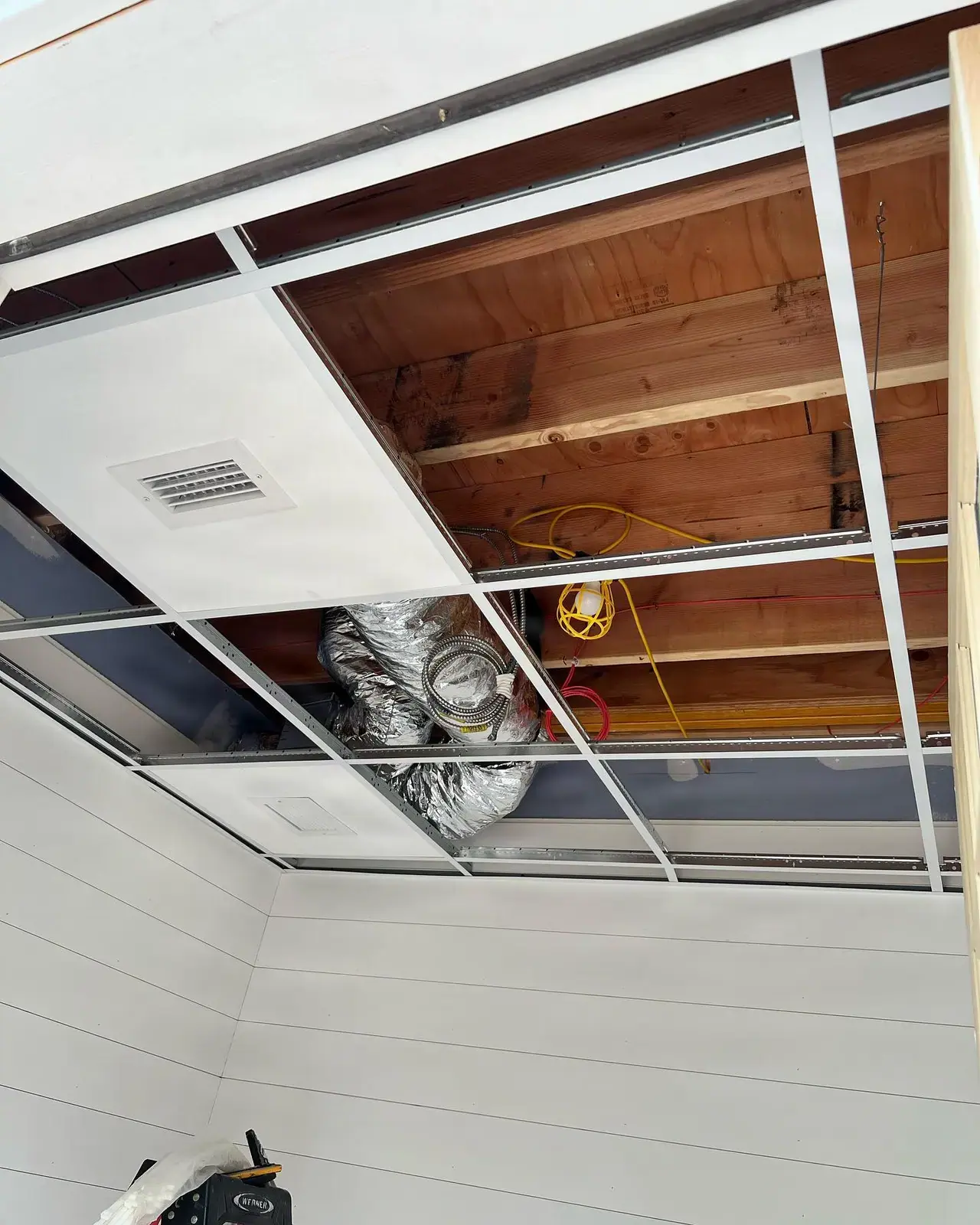
A soft or sagging piece is cut out and replaced. We also do ceiling tiles: a stained or broken tile in a drop ceiling, common in finished basements, can be swapped without touching the rest.
Patch or New Drywall?
Patching is enough when the damage is small and the wall around it is sound. A section gets new drywall when plaster is crumbling over a wide area, when a ceiling has sagged from water, or when the wall is open anyway for other work.
That other work might be a doorway moved or a room split with one of our doors and partition walls, or a bigger remodel from our home renovations. What a wall needs is something we look at with you, not guess at.
Call or text (347) 604-5031 for a free estimate, and send a picture of the crack, hole or stain if you can.
Got a Crack, Hole or Stain?
Call or text (347) 604-5031 for a free estimate.
Photos From Our Jobs
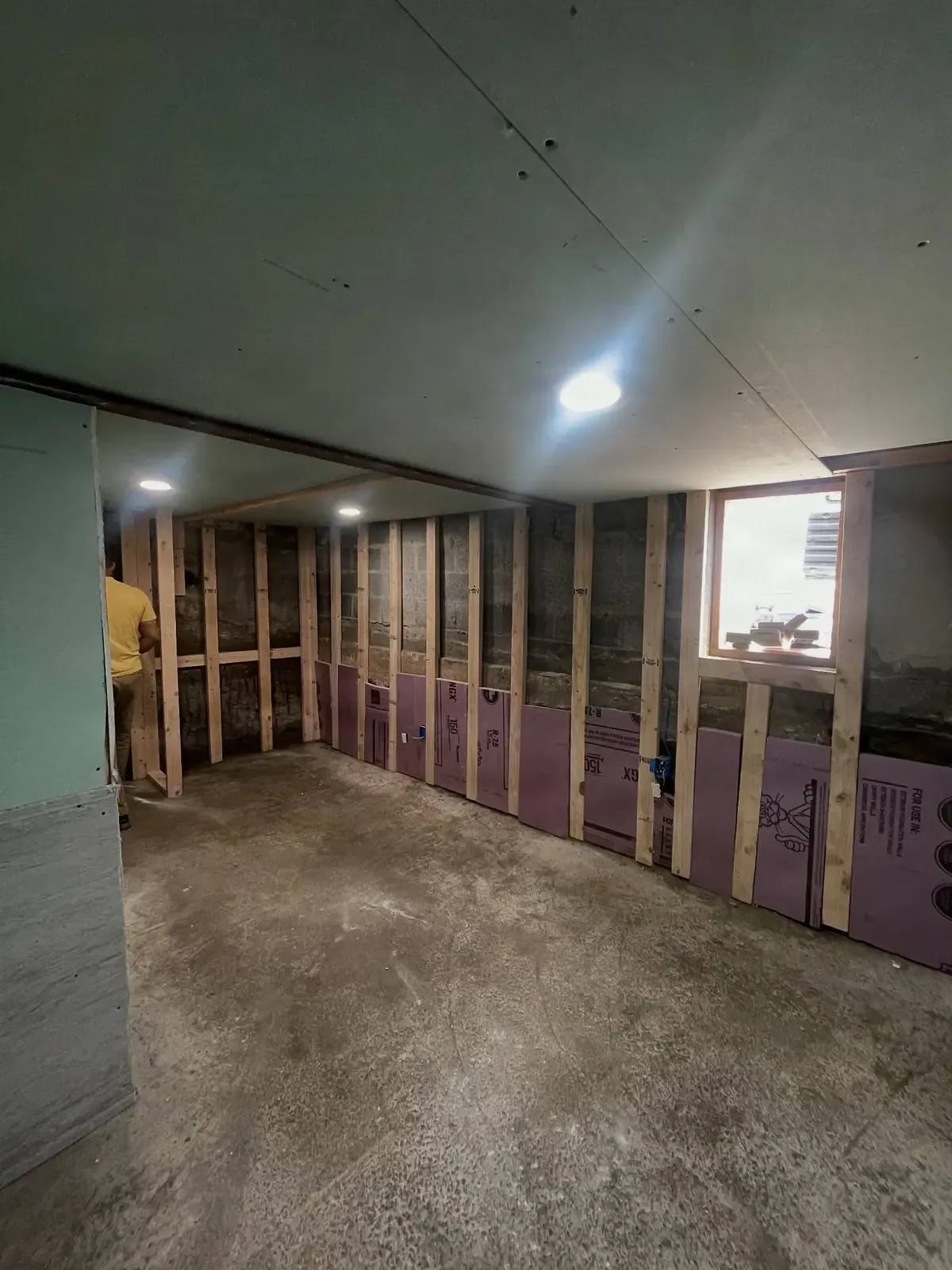
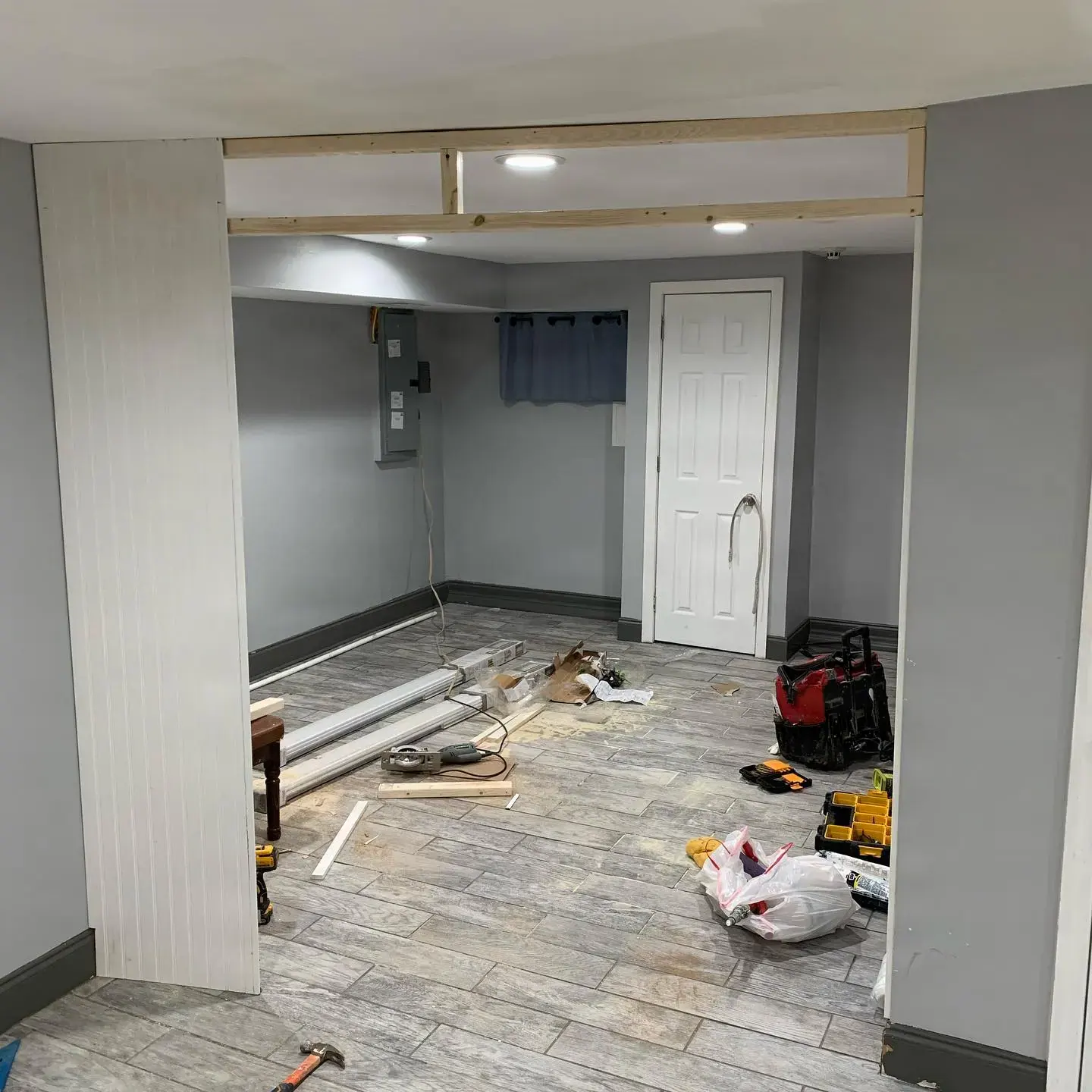
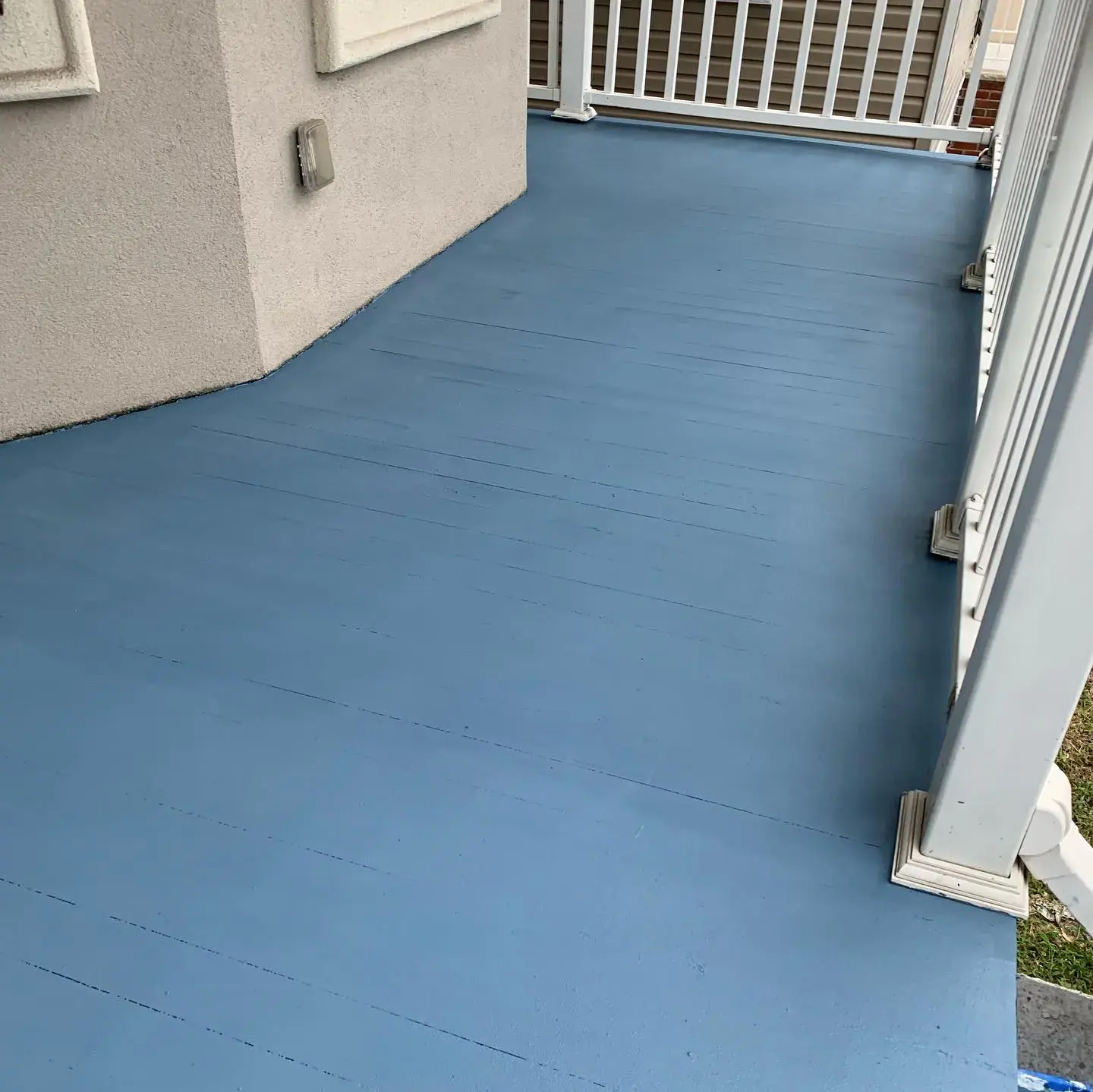
Every photo here is from one of our own jobs. Tap one to see it bigger.



Questions We Hear a Lot

-
Usually moisture or a thin first coat. Steam from a bathroom or water from a leak softens the compound under the tape, and tape set on too little compound never bonds. We cut the loose tape out, set new tape in fresh compound and finish the seam.
-
Plaster can usually be repaired. Cracks get taped and filled, and loose plaster that is still sound gets screwed back to its lath. Only crumbling or badly sagging sections need to come out and be replaced with drywall.
-
It depends on the size of the job, the finish you want, what we find once the wall or ceiling is open, and the condition of the house. A small hole and a water-damaged ceiling are very different jobs, so we price each one once we have seen it.
-
Yes, once the leak is fixed and the ceiling has dried. A stain on a sound ceiling gets a stain-blocking primer and paint, and a soft or sagging piece is cut out and replaced.
-
Yes. Call or text (347) 604-5031, or send the contact form with a few photos of the job, and we will set up a free estimate.
Ready to Get Started?
Call or text Willy Renovations at (347) 604-5031 for a free estimate.
- Call Us (347) 604-5031
- Based In Scranton, Pennsylvania
- Working Hours Mon-Fri: 8 AM-5 PMSaturday: 9 AM-5 PMSunday: Closed
-


